Electrochemistry, membranes and ammonia as a hydrogen carrier

Electrochemistry · Membranes · Hydrogen

Electrochemistry, membranes and ammonia as a hydrogen carrier

Elamonis develops electrochemical technologies and membrane solutions for ammonia synthesis and processing. Our approach is modular, decentralised, and grounded in real laboratory know-how.

years of hydrogen technology research
0
patent authorships in electrochemistry and nanomaterials
0
at the core of our technology
NH₃ 0

What we do

Membrane expertise met with hydrogen electrochemistry

Elamonis brings a combination that is rare in the market: deep expertise in polymer membrane synthesis on one side, and 15+ years of work on hydrogen fuel cells and electrochemical systems on the other. These two fields are directly connected in ammonia and hydrogen systems — and we work across both simultaneously.

Electrochemical ammonia synthesis

Development of electrochemical systems for direct ammonia synthesis from nitrogen and water using renewable electricity. The membrane plays a central role as a selective barrier, directly determining the efficiency and selectivity of the entire process.

Membrane technology

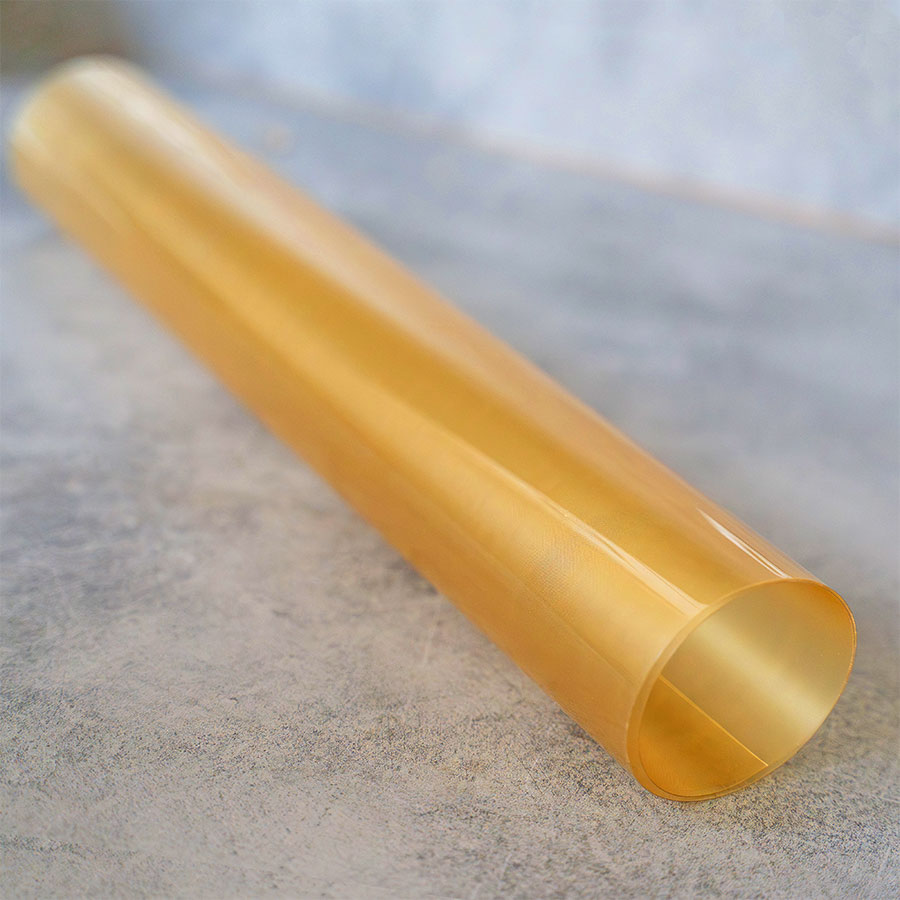
Design and production of polymer membranes for gas separation, ion exchange, and electrochemical applications. We develop membranes for specific operating conditions — pressure, temperature, chemical environment — not as generic off-the-shelf components.

Ammonia as a hydrogen carrier

Ammonia has significantly better logistics than pure hydrogen — existing infrastructure, liquid state at low pressure, high energy density. We work on membrane and electrochemical solutions enabling efficient conversion back to hydrogen at the point of use.

Modular and decentralised approach

We are not competing with large-scale commodity ammonia producers. We focus on applications where smaller, specialised, or distributed solutions deliver a technical and economic advantage — industrial parks, ports, energy-intensive operations.

Who we are

Science that knows how to talk to industry

Elamonis is built by a team that combines decades of laboratory research with commercial instinct. We do not talk about technology from slides — we develop it, hold patents on it, and understand its industrial context.

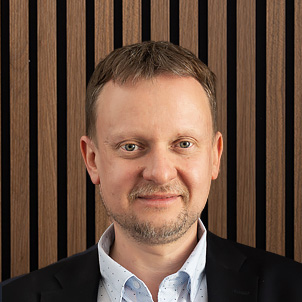
Jan Žitka
Jan Žitka
Founder & CEO

Doctorate in polymer chemistry from UCT Prague and the Czech Academy of Sciences. Specialised throughout his career in membrane synthesis and solution casting. As founder of TailorMem, he built a company developing and producing polymer membranes for industrial applications. At Elamonis, he connects materials expertise with strategy and business development.

Tomáš Němec
Tomáš Němec
Co-founder & CTO

24 years at the Institute of Thermomechanics of the Czech Academy of Sciences, where he founded the Laboratory of Hydrogen Technologies in 2020. Three patents in electrochemical systems, nanomaterials, and catalytic layer production. Evaluator for the Clean Hydrogen Partnership under Horizon Europe. Member of HYTEP and the European Energy Research Alliance. Co-author of publications in ACS Applied Materials & Interfaces, Journal of Aerosol Science, and others.

Václav Nedvídek
Václav Nedvídek
Co-founder, CFO & CBDO

ACCA qualification, degree from the University of Economics in Prague. Experienced CFO with a background in finance, audit, and business development. Václav bridges technical innovation with commercial execution, ensuring that breakthrough technologies translate into scalable business opportunities. At Elamonis, he is responsible for financial strategy, partnership structuring, and grant project preparation.

Why Elamonis

A convergence that is built only once in Europe

Ammonia is no longer just a chemical commodity for fertilisers. It is becoming a practical hydrogen carrier with existing global infrastructure, a strategic resource for energy security, and a key element of industrial decarbonisation. We work at this intersection — with specific technological know-how, not just a thesis.

Our advantage is not only technical. It is a combination: Polymer membranes developed specifically for electrochemical applications, deep knowledge of PEM cells and system scale-up, and the ability to rapidly translate a research result into an industrially relevant product or partnership.

The market is moving in the right direction: Decentralized ammonia synthesis, commercial ammonia crackers are entering deployment, the EU is pushing industrial decarbonisation, and volatility in global ammonia supply is strengthening interest in European production capacity. For us, this is a favourable environment — not the reason we exist.